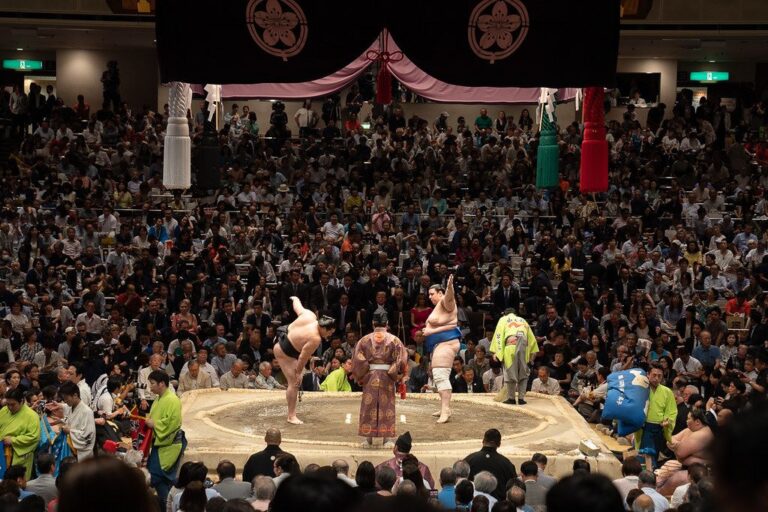
Japans culture dates back to 35,000 BC – According to the history of Japanese people, the sun goddess sent one of her offspring to the Japanese island of Kyushu to unify the people.
Japan History indicates that first settlers migrated to the islands of what is now Japan through two natural bridges. These bridges were later covered by water.
Where Did Japanese People Come From?
Jomon Period (10,000 BC – 300) – Rice farming and government structure began for the first time.
Yayoi Period (300 BC – 250 AD) – villages were established.
Yamato Period (250 AD – 710 AD) – a turning point from tribes to a nation. The small tribes were unified under the Yamato Dynasty, who established their court in Nara. From this emperor till today the history of Japan counts 125 emperors. Shinto, a native religion was introduced. Shinto also gave divine status to the emperor. The Yamato dynasty were obsessed about hygiene, and invented the Japanese bath and sanitary ceremonies like burning a person’s house after his death.
After the death of the emperor the capital was moved to another place.
Asuka Period (5th and 6th centuries) – Chinese writing and Buddhism influence.Thousands of temples were built.
See More: A Brief History Of Japan: Samurai and Shogunes
Japanese Culture During Nara Period
The Nara Period (710 AD – 784 AD) – the Capital was established in Nara. The Tang dynasty turned Japan into one country with four different classes – the royal family, the noble, the citizens and the slaves. The emperors were the rulers, but during the last years of Nara Period the actual power was held by Samurai, which were a military army created in order to protect the noble class. The Samurai were a very dominant force in the history in Japan.
Facts About Japan During Heian Period: A Timeline Of Japan’s History
Heian Period (784 AD – 1185 AD) – In 794, the capital was moved to Heiankyo – present-day Kyoto. Kyoto became the capital for more than a thousand years. The Heian Period was a time of prosperity and peace in Ancient Japanese Culture, allowing the noble class to focus on the arts and culture.
See More: Ancient Japanese Art
New ideas came mainly from China. Chinese characters, for example, were used to create a new Japanese writing system. Towards the end of the Heian Period of Japanese history, military clans in the provinces began civil wars.
The Samurai gained power and turned from a military class created to protect, to a a noble class of warriors.
Brief History of Japan During The Feudal Time

The Feudal Time (1185 AD – 1333 AD). The Kamakura Shoguns ruled. This marked the beginning of 700 years of dominance of the warrior class, known as Samurai and shogun.
The Samurai were loyal to their feudal lord and led a Spartan-like lifestyle by the beliefs of Zen Buddhism. The height of art at that time of Japanese history was the creation of Japanese Samurai swords.
The Muromachi Period (1336 AD – 1573 AD). Muromachi or Ashikaga Shoguns ruled until the 16th century. The emperor was practically powerless at that time in Ancient Japanese Culture.
The shoguns led an extravagant life, building villas like the Golden and Silver Pavilion and the rock garden which are still major attractions in Kyoto today.
It was also an excellent time in the culture of Japan, with Noh Theater, Japanese tea ceremony, and Japanese style Gardens which are still major attractions in Kyoto today. It was also an excellent time in the culture of Japan,
See More: The Japanese Gardens
In the provinces the feudal lords competed for power. In 1467 there was an eruption of a long civil war that lasted for more than a century of Japanese history. The Muromachi Shoguns and the power of Ashikaga were completely destroyed. Social order collapsed.
During 1543-1549 foreigners arrived in Japan for the first time. The Catholic Church began an ongoing attempt to convert the locals and turn them into Christians.
Japanese Culture In the Edo Period
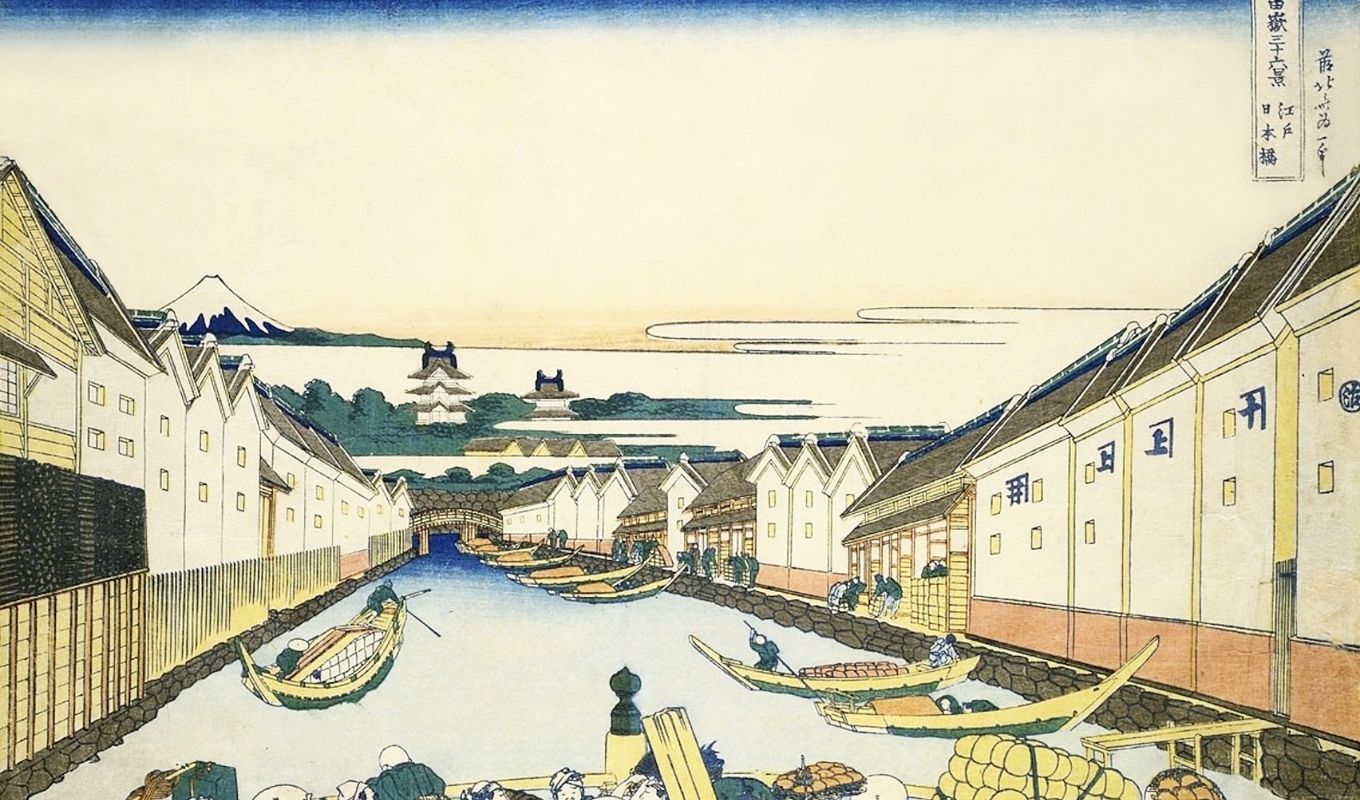
The Edo period (1600 AD – 1867 AD) is known as the beginning of modern Japanese history. In 1603, Tokugawa Ieyasu, who emerged from the power struggle as the most powerful statesman in the land, established his shogun government in Edo – present-day Tokyo.
See More: Tokyo History/History Of Tokyo
To secure his domination, Tokugawa Ieyasu created laws that kept feudal lords under control for another 260 years. The feudal ministers had to show up before the Shogun once every two years, and leave a family member as captive.
The journey to Edo took a few months back and forth, so there was not much time left for conspiracies.