The Traditional Japanese Diet: the longest life-span in the world, lower rates of heart disease and cancer and what Victoria Beckham said about the Typical Japanese menu.
The Traditional Japanese Diet And Longevity

Did you know the people of Japan Have the Longest Lifespan? Research shows that the locals enjoy one of the longest life-spans in the world, with much lower rates of heart disease, osteoporosis, and cancer than in the US.
Men live to be 78 years old on average, and women reach 85. How do they do it?
The Traditional Japanese Diet And Looking Young

Another thing I’ve noticed while living in Tokyo is how much younger everyone looks compared to their age group in western countries.
Even Victoria Beckham confessed in an interview that her fabulous figure is a result of the Traditional Japanese Diet “I eat really healthy, I love Japanese food, lots of fish, any sort of fish, any sort of vegetable, lots of fruit, that kind of thing”.
After experiencing the Food in Tokyo myself for years, I have a list of tips for you on how to live longer and look younger on the Japanese Diet food.
Many westerners (me included) lose a lot of weight by eating the Traditional Japanese Diet.
See More: Discover Traditional Foods in Japan
See Also: How To Live Longer And Look YoungerEating Foods in Japan
The Typical Japanese Diet Revealed
The first secret of the Traditional Japanese Diet is eating only until you’re 80% full
Meals are based on fish

Which is consumed at almost half a pound a day per person. Usually, there are two fish courses at every meal, one of cold fish and one of hot. Eating fish instead of red meat is believed to lower the risk of heart attacks. Beef and chicken are included in the meal in very small portions.
The women here believe eating fish skin will make their skin healthy. I must agree, Japanese women have incredible skin.
Sugary Sweets Are rarely Eaten
The Japanese desserts have a very subtle sweet taste, which comes from pounded rice, Green Tea, sweet bean paste, mashed sweet potatoes, and chestnuts. Cakes here are known for being healthy, perfect for anyone with Gluten intolerance (made from rice flour), and not too sugary.
Check out these cute Japanese Desserts, Cakes, and Sweets Almost too beautiful to eat!
Dairy and bread ARE NOT part of Traditional meals. The locals hardly eat any white flour. Rice is eaten at every Traditional meal.
Green Tea

Research shows that regular drinking of green tea lowers the chances of heart disease and cancer. Much of the evidence that green tea is anti-carcinogenic is based on studies among populations in Japan and in China, where people drink green tea a few times a day.
Studies found that Green Tea contains the highest levels of polyphenols compared to other kinds of tea – that’s the antioxidant that provides the anti-cancer qualities. There’s also a connection between Green tea and weight loss, found in many studies. Based on these studies the suggested daily dose is two cups of green tea per day.
See More: How Healthy Is Green Tea
Soybeans help reduce heart disease and high blood pressure.
Soy products are a great source of protein: tofu, Miso soup, Tempeh, and Natto.
See More: Natto: The One Sensible Way To Prevent Blood Pressure
Beautiful Dishes

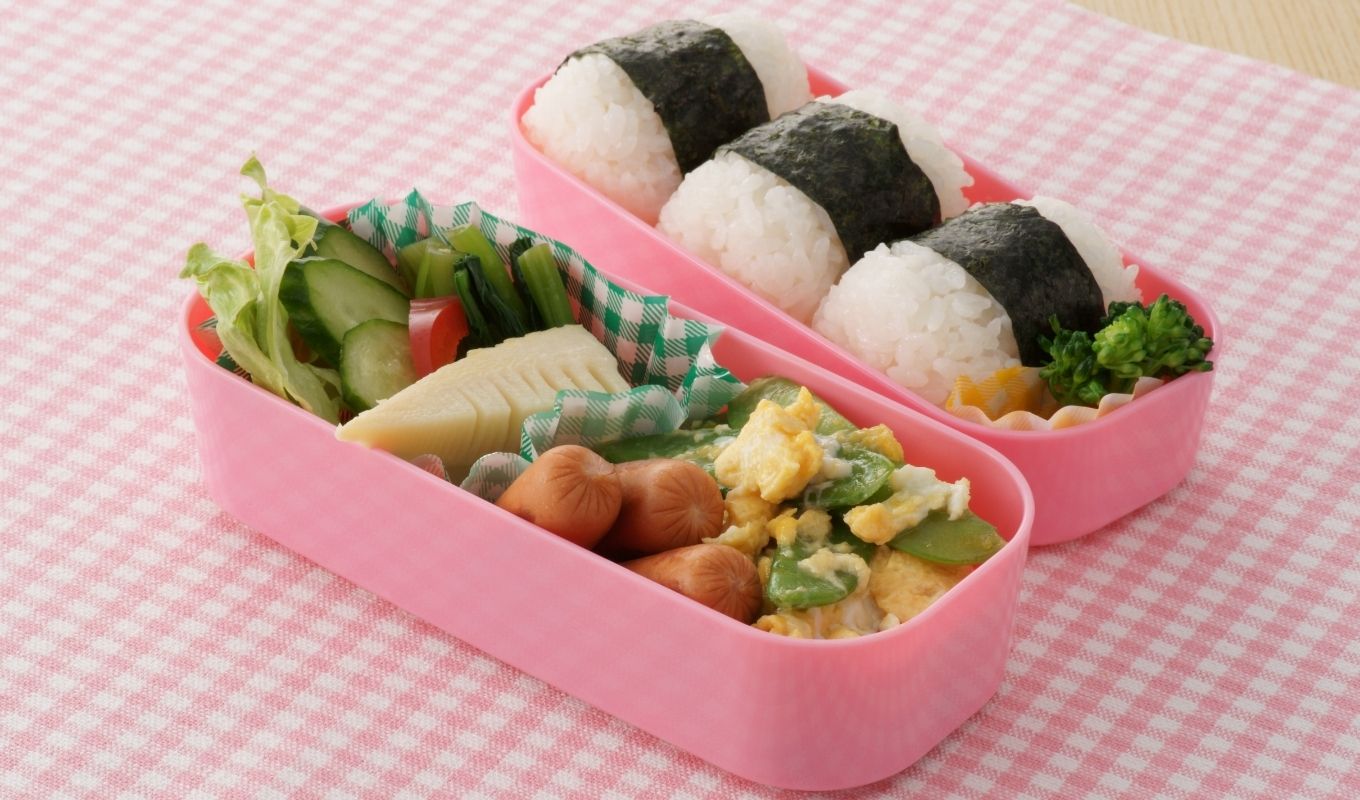
Traditional Japanese foods are always presented in a very attractive way. They are usually served in beautiful bowls. Even lunch boxes (bento) are almost an art in Japan.
Moms compete who makes the most beautiful bento box for her kid, going into crazy things like cutting carrots in Hello Kitty shapes. Lovely bento boxes containing decorated food such as prawns, rice rolled in seaweed, fish, and pieces of fruit are sold in every store.
See More: Beautiful Tea Sets from Japan