The Tokyo subway system is perhaps the most impressive example of public transportation on earth. It serves around 35 million people; 8 million of those people commute into the city every morning !! It connects the city together through over fifty routes. Any point in central Tokyo is hardly five minutes walk from the nearest train station.
When Is Rush Hour On Tokyo Trains?
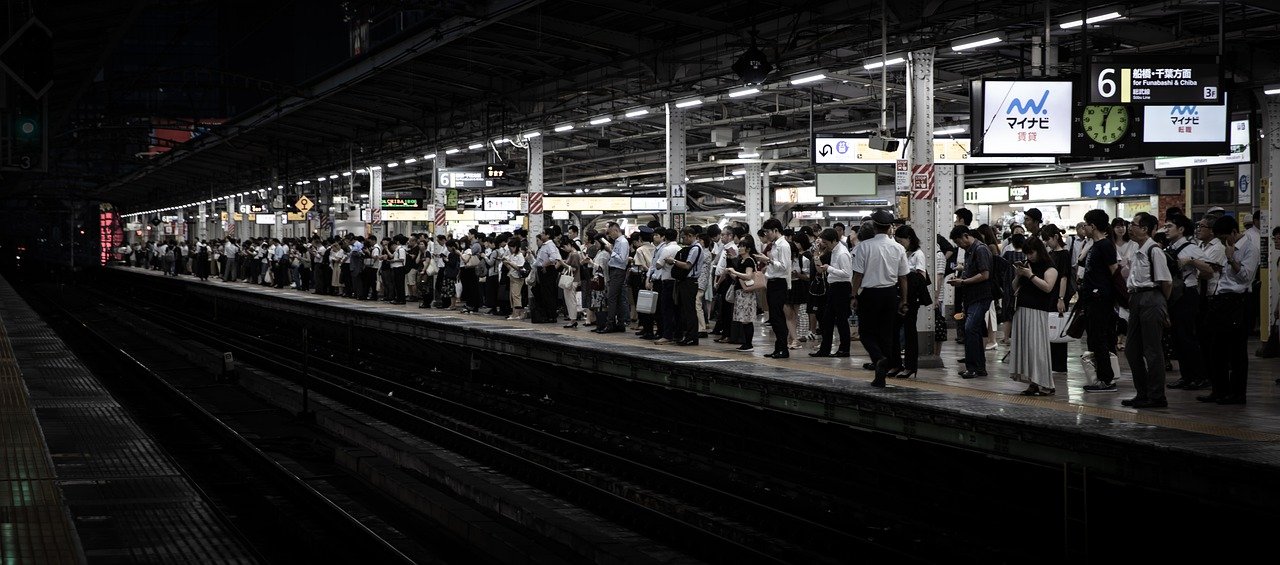
The rush hour on the trains and subway in Tokyo is from 7.30 am to 9 am and from 5 pm to 7 pm.
Planning ahead before you plunge in on these hours is advisable.
Benches onboard fold up to maximize capacity, platform attendants wearing white gloves push passengers through the doors.
This is certainly not a venture for those who value their personal space. Some subway lines have women-only cars during the morning rush hours, so women and young children can ride more comfortably and safely.
Shinjuku: Busiest Station In The World
Shinjuku Station claims the title of the world’s busiest transportation hub, about 2 million pass through it daily. In spite of its complexity, the Tokyo transportation system operates so efficiently and punctually that it would put most other cities of the world to shame.
Almost Always On Time

Even at an intense frequency of every 2-3 minutes, a strict schedule is followed to the second. A train late by only a minute (which is considered “on time” in any other place in the world) is a major concern here.
If your train is slightly behind schedule, say 30 seconds, listen for an apology over the loudspeaker. If this stretches to a few minutes, feel free to approach the platform manager for a note explaining your delay to the boss.
Since many employees in Tokyo practically live on the train (it is very common to commute as much as 90 minutes to work), several stations have individual jingles play when the doors open so that those who have nodded off during the ride will recognize their station’s tune and get off at the right place.
What Time Do The Subway And Trains Operate In Tokyo?
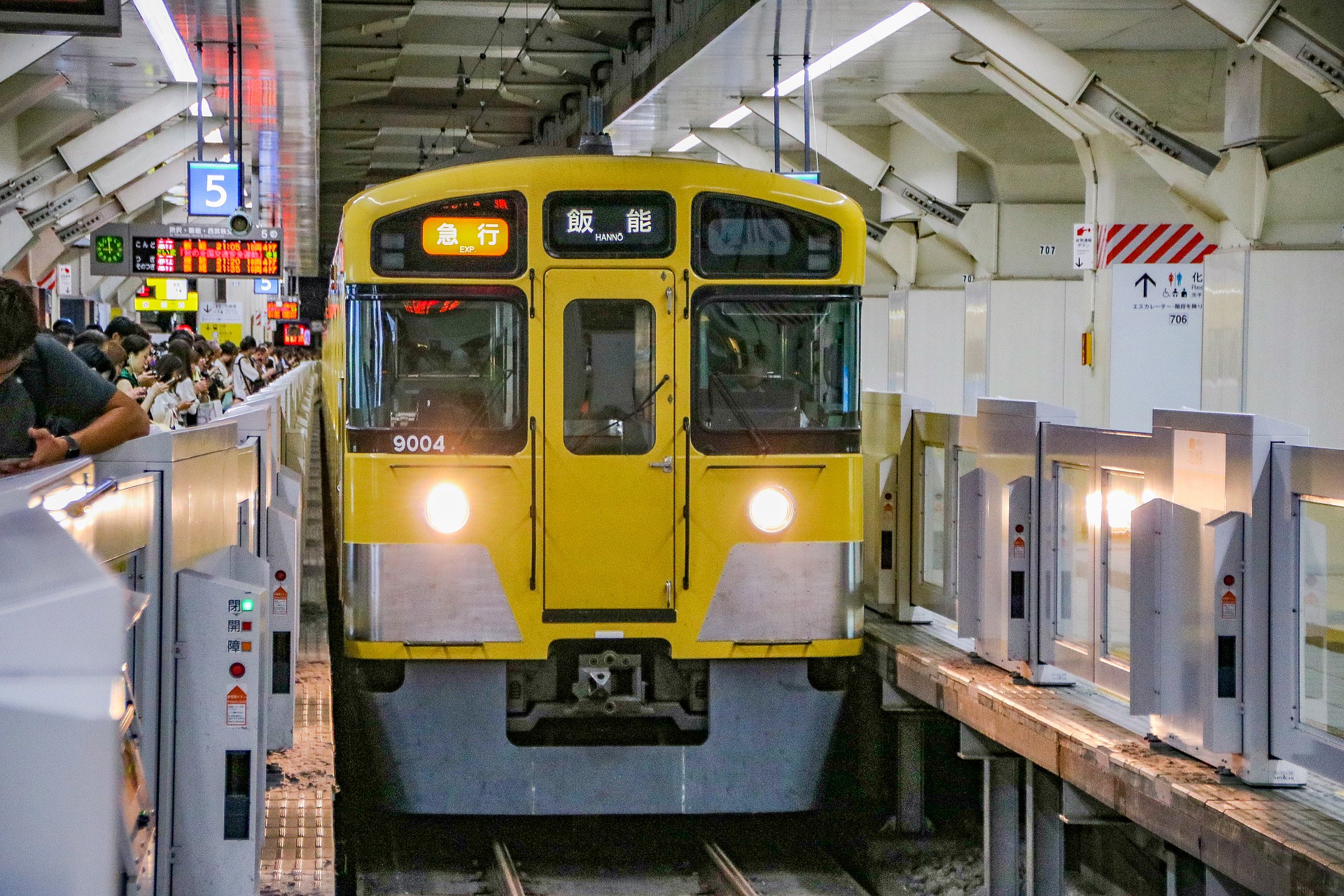
The subway operates between 5 am and 1 am, when all transportation services cease. So, If you are enjoying a night out, you’ll have to choose between heading home early on the last train, staying out much later and catching the first, or taking a taxi.
Tokyo Train Stations Are Constantly Cleaned
You will see maintenance people working continuously, taking care of things that are unheard of in other countries. It’s a common sight to see staff wiping the railing.
They also frequently disinfect the ticket vending machines (even before Covid). Meticulously cleaning every spot on the underground passageways. Tokyo subway system must be the cleanest public transportation on earth.
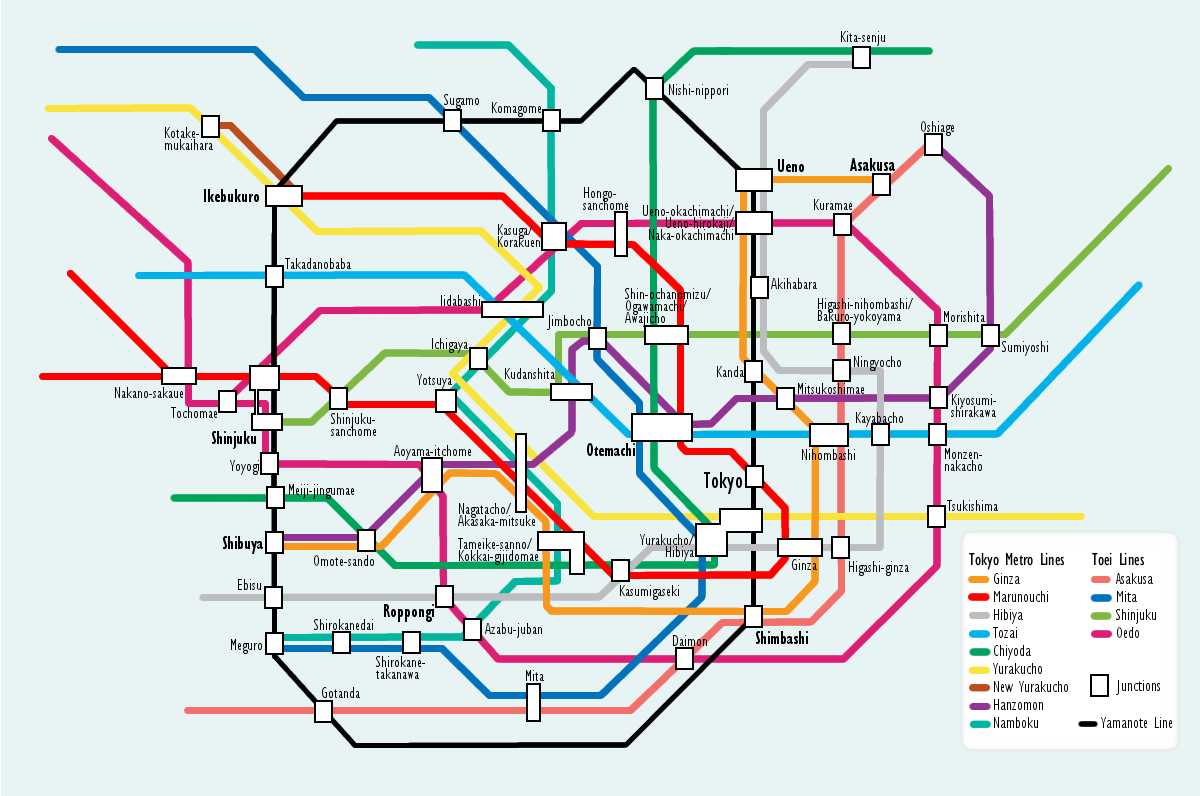
The Tokyo subway map is available in English at your hotel, in subway stations, or download your Tokyo subway map right here.
It is very simple to navigate the Tokyo transportation system. Signs on subway stations include the station names in English. Each line has a letter (example: the Ginza line has a line symbol of G) and a color.
You simply follow the signs indicating the line symbol + line color.
How To Know When You Are At Your Station?
When you arrive at the platform, you have to decide between the two sides – each side takes you in the opposite direction of the line.
- Using the station name as your guide– they appear in English.
- Each station is also given a letter and number code to identify it. The letter stands for the line; the number reflects where on the line the station is.
How To Buy A Ticket For Tokyo Trains And Subway?
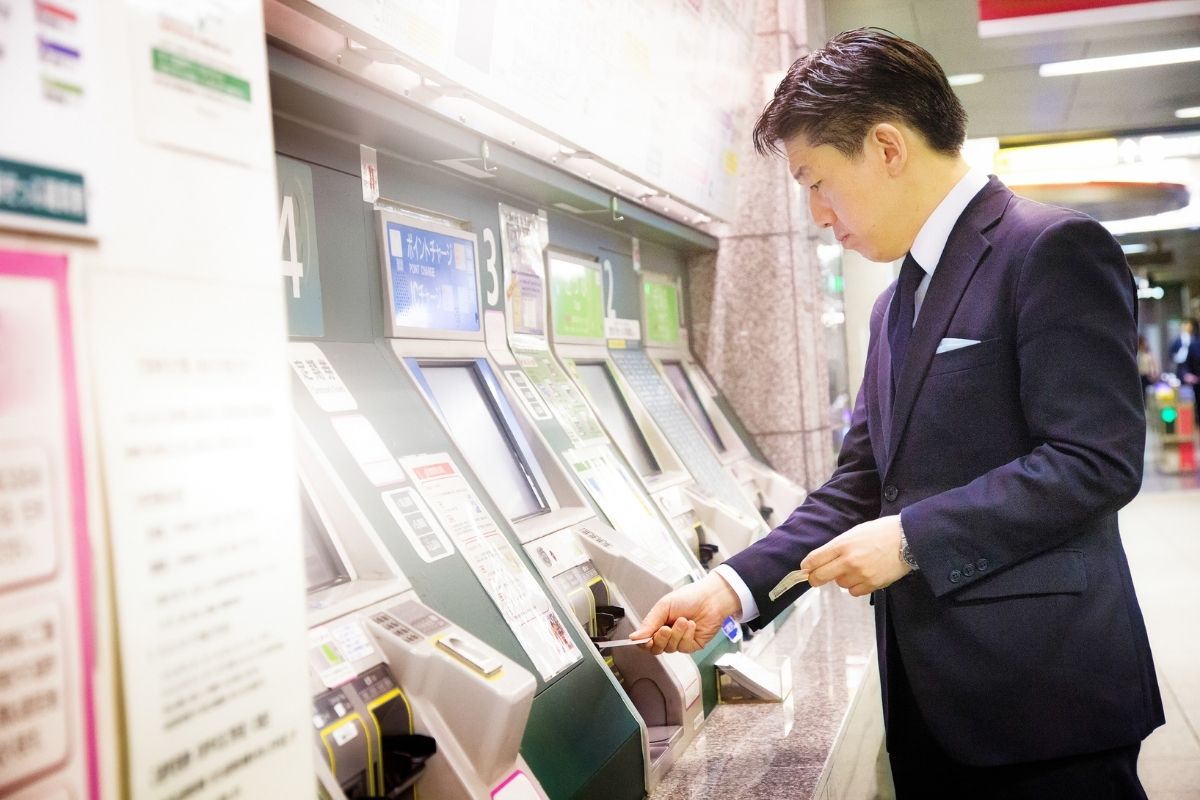
Most Tokyo Subway tickets and rail passes are sold from automated vending machines. Ticket machines are located at each subway station. Prepaid fare cards are convenient, and I highly recommend them, although they don’t give you any discounts. If you’re paying per single ticket, here is how to do it:
- Touch the screen where the “English” sign is indicated.
- If you know how much the fare is-touch the fare indicated. If you know the station’s name, you are going to-touch “Select stations”. If you know the line, you will take, touch “Select route”.
- . Put the amount of money required for the fare shown on the screen.
- . Take your ticket and change.
How To Use The Fare Adjustment Machines
You will be spending a lot of time figuring out subway fares based on distance on the sometimes Japanese-only fare maps.
You can buy the cheapest ticket and pay the difference at the Fare Adjustment Machine (norikoshi) at the end, but working out how to do this may be a challenge if you are not familiar with the system.
How To Buy A Prepaid Pass For Tokyo Trains And Subways
If you’d like to skip the hassle, buy Prepaid rail passes. There are two major brands of rail pass: Suica and Pasmo. They can be used on just about every subway, train and bus line in Tokyo (with the exception of JR’s Shinkansen and limited express trains).
The rail passes are rechargeable “smart cards”: you purchase them from the ticket vending machines, which have an English language option. Some of the larger stations have ticketing offices.
There is an initial ¥500 deposit that you must pay when purchasing a rail pass; this fee is refundable at the subway station when you leave Japan. You choose how much money you want to put on the pass, depending on the time you plan to spend in Tokyo.
There are a few more rail pass options- The Tokyo Free Kippu is a day travel pass that covers all JR, subway and city bus lines within the 23 wards. It costs ¥1,580 for one day. The Holiday Pass (available only on weekends, national holidays, and during summer vacation-July 20 through August 31) covers the entire JR network in the Tokyo metropolitan area. It costs ¥2,300 for one day.
Riding the subway In Tokyo

If you are using a Pasmo/Suica card, swipe the card over the card reader on the gate, which is indicated by blue light. When you place your ticket, it will display the amount of cash left on your pass.
If you’re paying per single ticket, insert your ticket into the slot located above the green arrow on the fare gate. Don’t forget to retrieve your ticket as you pass through. Line up behind the white line on the platform indicates where the doors will open. Take notice of the women-only train cars during rush hours. The Japanese are very well-mannered, and the norm is to wait for passengers to finish getting off before boarding the train.
Exiting the fare gate
When using a rail pass Ticket, you once again swipe your card over the card reader on the gate. When using a day ticket, retrieve it as you pass through the gate. The gate will not return your ticket when traveling with a single ticket.
Finding The Best Station Exit
Going out of the station without knowing the right exit number for your desired destination can lead to extensive walking in the endless passageways of the Tokyo subway system.
You can find your exit number easily on the vicinity maps, located on the platforms, or after exiting the fare gate. Once you’ve identified your exit number, you follow the appropriate exit signs. Subway inspectors located on platforms and next to fare gates, are also very willing to help.
Several railway transportation companies operate the Tokyo subway system, but it’s very likely you won’t even notice it since the ticketing system is standardized. The same ticket is valid for all railway companies in the Tokyo vicinity.
You will probably be overwhelmed by the number of shops/restaurants in underground passageways. It’s like a parallel city underground.
The lower level food emporiums of large department stores such as Tobu, Seibu, or Odakyu, are directly connected to the subway system- a paradise for Tokyo citizens who can spend their time in better ways than cooking, a delight for any tourist who would like to take a Japanese Bento lunch box to the park.
The bus system is more complicated for visitors as most destinations are written in Japanese only, and bus drivers don’t speak English.